Report maps 44 fake "ghost reporters" spreading pro-Russian narratives across African media
A new investigation by the analytics firm Graphika, working with Code for Africa, identifies dozens of fabricated bylines and fake experts used since 2021 to place pro-Kremlin content in African news outlets.
By Eyob Hadgu · 27 August 2026
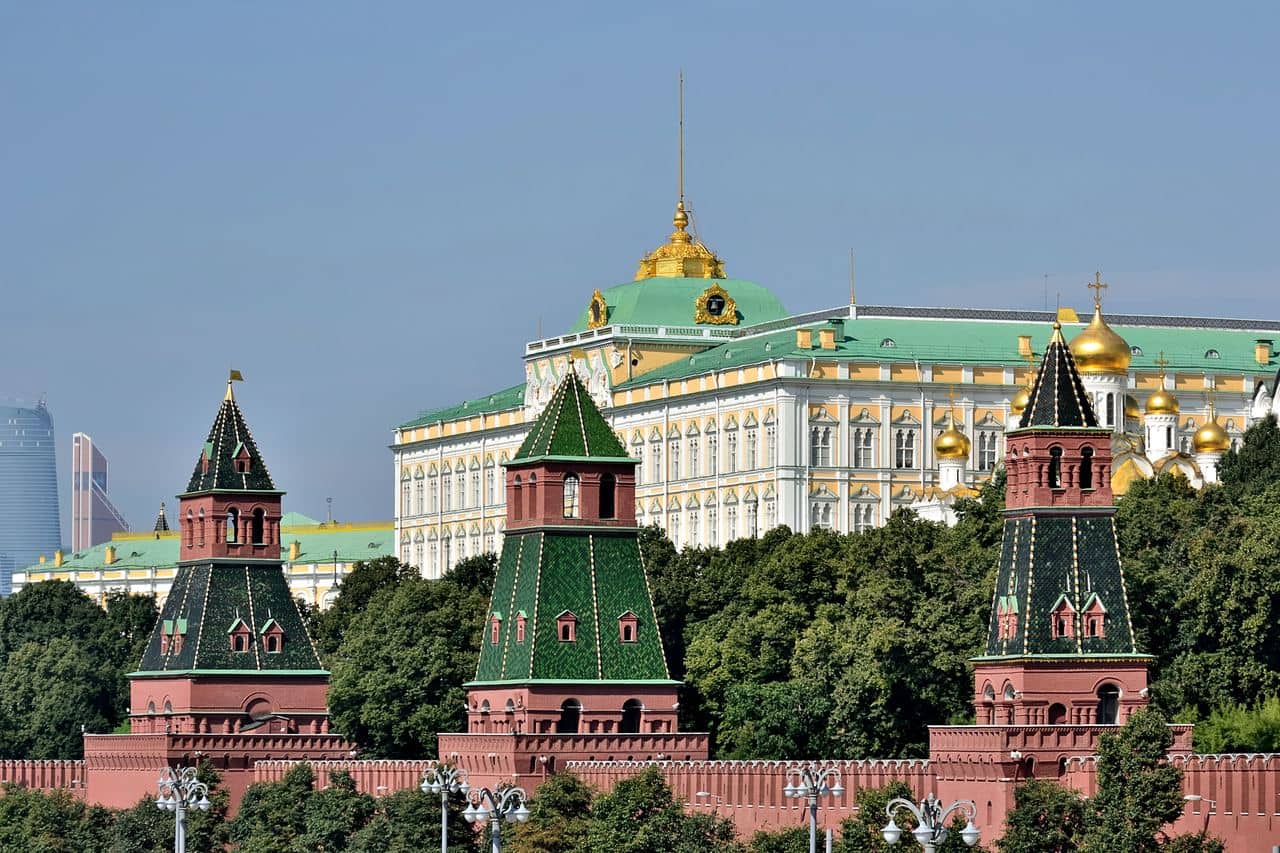
The Kremlin in Moscow. A new report maps a network of fabricated reporters and commentators used to spread pro-Kremlin narratives in African news outlets. Photo: Dmitry Ivanov / Wikimedia Commons, CC BY-SA 4.0
A report published this week by the analytics firm Graphika, produced in collaboration with Code for Africa and with support from Meta, has identified 44 ghost writers and fake experts used to plant Russian-aligned narratives in African news outlets since 2021.
The investigation, titled "Mapping Russian Ghostwriting Operations Across African News Outlets," found 38 high-confidence fabricated personas whose content was distributed across 138 websites and republished on at least 113 Facebook accounts and pages between 2021 and 2026. The operation targeted primarily English- and French-language outlets, according to the report, though researchers noted similar campaigns exist in Arabic, Spanish and Portuguese aimed at other regions, including Latin America.
Content pushed by the fake bylines was largely anti-France, anti-Ukraine and anti-US in tone, and included criticism of Western-aligned organisations such as ECOWAS and the International Criminal Court, alongside praise for Russian paramilitary groups, Russian-African relations and the Alliance of Sahel States, the researchers found.
One example cited is a persona called "Dr Manuel Godsin," presented as a geopolitical academic and commentator, who published a string of articles praising Russia and criticising Ukraine, the United States and the United Kingdom, while also weighing in on domestic political issues in South Africa and Kenya. The Godsin material was amplified through a network of Facebook pages posing as local, grassroots news sources — a network Meta itself has previously described as "originating in Russia" and targeting audiences in Sub-Saharan Africa.
The report does not identify Eritrea specifically among the outlets or personas mapped, but it adds to a growing body of research, including earlier work by Code for Africa and Al Jazeera's investigative unit, into how fabricated bylines and AI-generated commentary have been used to shape narratives across the wider African media landscape.
This report draws on reporting from Martin Plaut and News24.
Get Asmara Post in your inbox every Thursday.
One weekly email. No spam, unsubscribe anytime.