How the fight over Red Sea access is straining the Tigray peace deal
Analysts say Ethiopia's push for Red Sea port access, and Eritrea's fractured wartime alliance with Addis Ababa, are giving both sides reason to implement the Pretoria Agreement only selectively.
By Eyob Hadgu · 26 August 2026
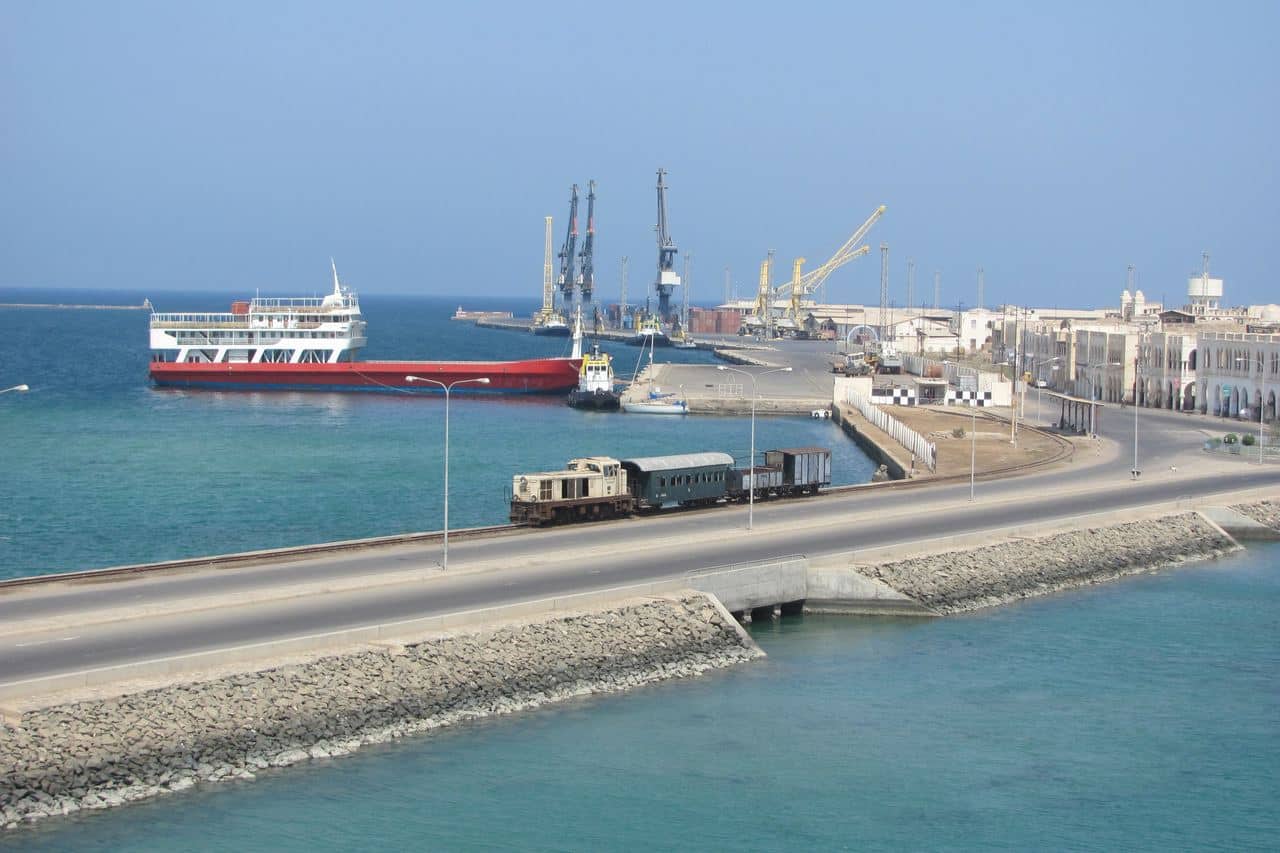
The port of Massawa, on Eritrea's Red Sea coast. Photo: Reinhard Dietrich / Wikimedia Commons, CC0 1.0 (public domain)
Nearly four years after the Pretoria Agreement ended large-scale fighting between Ethiopia's federal government and Tigrayan forces, analysts say the peace deal's implementation has become entangled with a separate, older dispute: Ethiopia's lack of direct access to the Red Sea.
Writing for The Conversation Africa, Hafte Gebreselassie Gebrihet, a research fellow at the University of Oslo and the University of Cape Town, said the November 2022 accord remains formally in place but that "its main commitments have been applied selectively." Large-scale fighting stopped and federal services have resumed in much of Tigray, according to the analysis, but Western Tigray remains under Amhara administration, foreign and non-federal forces have not fully withdrawn, and Tigrayan disarmament remains incomplete. More than 760,000 Tigrayans remain displaced, the analysis said.
Ethiopia has been landlocked since Eritrea's independence in 1993, and previously used Eritrea's port of Assab until the two countries fought a border war between 1998 and 2000. Ethiopian Prime Minister Abiy Ahmed has argued that "a population of 150 million cannot live in a geographic prison," a framing that has kept Red Sea access on Addis Ababa's agenda even as relations with Asmara have cooled.
The wartime alliance between Ethiopia and Eritrea against Tigrayan forces fractured after the Pretoria Agreement was signed without Eritrea as a party. The analysis pointed to reports of informal tactical coordination between Eritrea and the Tigray People's Liberation Front since then, though the TPLF has denied any formal alliance. That dynamic, the analysis argued, gives each side in the wider dispute incentives to keep the peace deal's implementation incomplete rather than resolved.
A population of 150 million cannot live in a geographic prison.
Western Tigray's disputed status is not an abstract legal question for the people it displaced. The analysis noted that the region's contested administrative status leaves displaced Tigrayans caught in disputes that predate their own displacement and remain unresolved by the current, partial implementation of the peace deal.
This report draws on reporting from The Conversation Africa, republished by AllAfrica.
Get Asmara Post in your inbox every Thursday.
One weekly email. No spam, unsubscribe anytime.