South Sudan's Kiir dissolves government three months before first national elections
President Salva Kiir removed all vice-presidents and ministers and dissolved parliament, hours after signing election-law changes that let him stay in office through the December vote.
By Eyob Hadgu · 23 September 2026
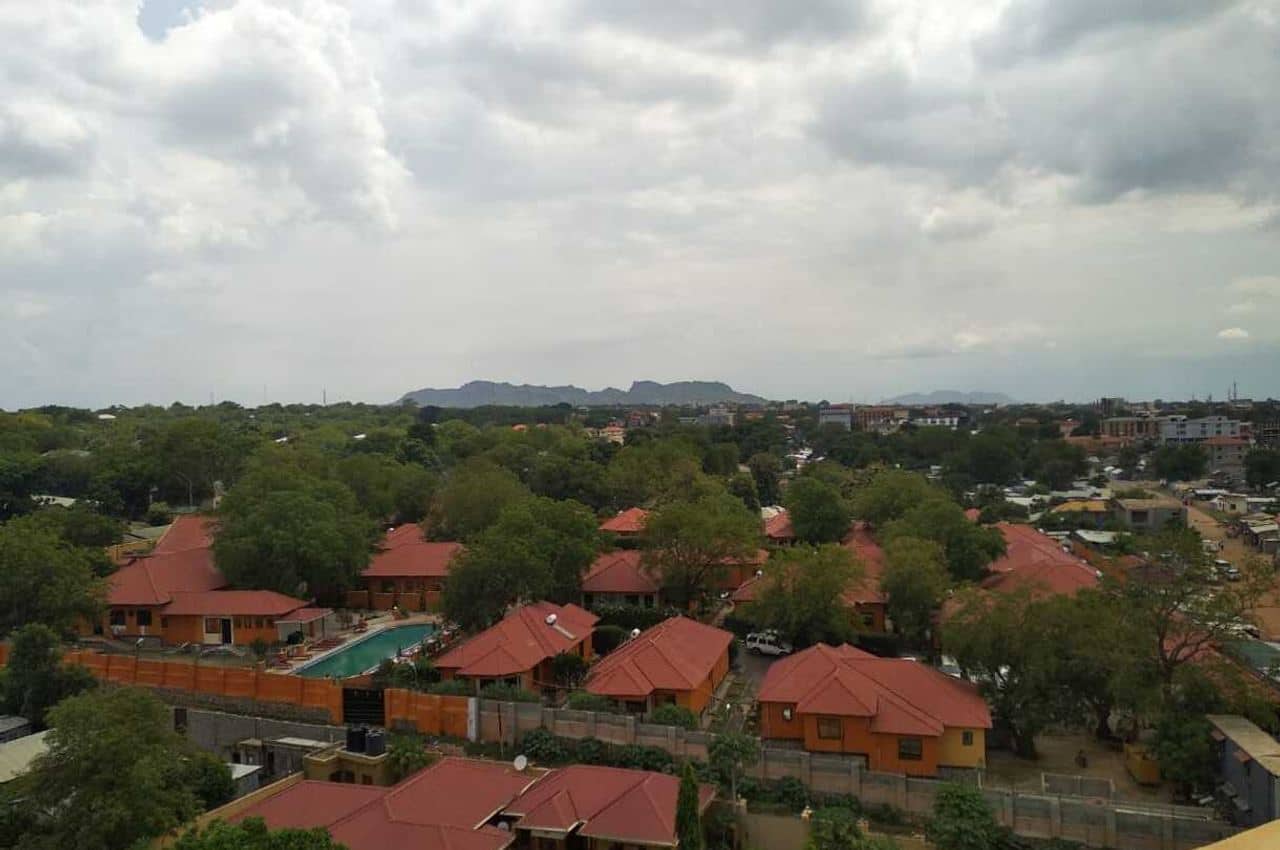
A view across Juba, the capital of South Sudan. Photo: Umar sheriff habibullah / Wikimedia Commons, CC BY-SA 4.0
South Sudan's President Salva Kiir has dissolved the country's transitional unity government and replaced it with a caretaker administration, three months before general elections scheduled for 22 December 2026, Al Jazeera reported.
Kiir's decree, announced on Tuesday, 22 September, removed all vice-presidents, ministers and local administrators and dissolved the national and state assemblies. The judiciary and security institutions remain in place, according to Al Jazeera. People Daily reported that Kiir made the announcement at an expanded meeting of the presidency attended by vice-presidents, political party leaders, presidential advisers, ministers and other senior officials.
Election law changed
The move came hours after Kiir signed amendments to the National Elections Act. The changes allow him to remain in office during the election period and remove requirements, set out in the 2018 peace deal, that a permanent constitution and a national census be completed before voting can take place, Al Jazeera reported.
South Sudan has never held a general election since independence in 2011. Polls were first expected in 2022 and have been postponed twice.
Opposition and analysts object
The main opposition alliance rejected the legal amendments, according to Al Jazeera. Riek Machar, Kiir's longtime rival and leader of the Sudan People's Liberation Movement-in-Opposition, remains under house arrest and is on trial on charges including treason and murder, which he denies.
Lawyer Michael Wani told Al Jazeera: "Kiir will be the only person in power, without vice-presidents, without the executive, without the parliament." Independent analyst Machot Amuom said the law grants "the president full powers," and that its ambiguous wording could allow the elections to be postponed again.
The 2018 peace agreement ended five years of civil war that killed about 400,000 people and displaced millions.
This report draws on reporting from Al Jazeera, BBC News and People Daily.
Get Asmara Post in your inbox every Thursday.
One weekly email. No spam, unsubscribe anytime.